
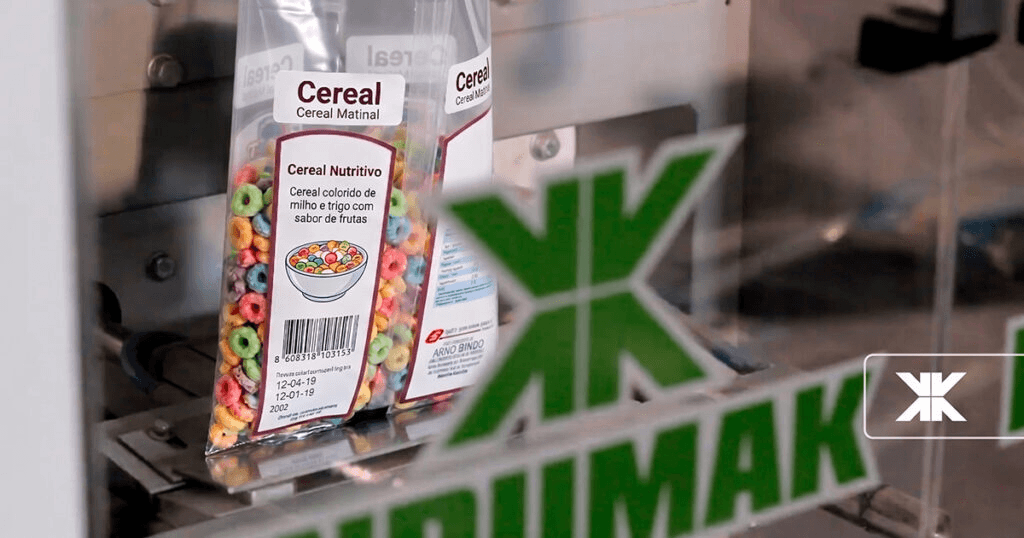
Categoria: Packaging
9 key considerations when setting up a cereal packaging pperation
Designing a new production facility and selecting the ideal cereal packaging machine require thorough engineering analysis, covering everything from plant layout to the selection of weighing and packaging systems.
In today’s highly competitive market, food manufacturers must achieve high levels of predictability, automation, and operational efficiency.
Below, we present the nine key factors for structuring your operation according to today’s production demands, connecting advanced technology with the specific needs of the cereal industry.
1. Market Feasibility and Grain Demand Analysis
Brazil’s grain production reaches record levels with each harvest, reinforcing the country’s position as a global player.
According to the 9th Grain Harvest Survey by the Brazilian National Supply Company (Conab), the estimated production for the 2025/26 crop cycle is a record 358.6 million metric tons of grain.
This volume is driven by the country’s leading crops for both domestic consumption and export:
| Crop | Estimated Production (Million Metric Tons) |
| Soybeans | 180,3 |
| Corn | 140,5 |
| Beans | 3,0 |
This scenario translates into real opportunities for cereal packaging operations.
The greater supply reduces volatility in raw material availability, making it possible to design facilities focused on both the commodity market and the functional, premium, or organic products niche.
2. Regulatory Compliance
A new cereal packaging operation must comply with the requirements established by the relevant regulatory authorities to obtain its operating license and ensure product integrity.
Because these products are intended for direct human consumption, the facility must implement measures to minimize the risk of cross-contamination and preserve the quality of the grains.
3. Plant Layout and Facility Design
The facility layout should optimize material flow, preventing operational bottlenecks.
A facility of approximately 1,200 m² (12,900 sq ft) is recommended, with around 800 m² (8,600 sq ft) dedicated to the production line, packaging material storage (film rolls and consumables), and finished goods buffer storage.
The layout should be designed with a linear or U-shaped material flow, separating the raw material receiving area from the bagging and palletizing stages.
4. Building a Skilled Technical Team
The number of employees required depends on the production capacity of the operation.
However, with the advancement of modern industrial automation, the technical workforce is no longer focused solely on manual tasks. Instead, it is structured to perform strategic functions, including:
- Supervising automated processes;
- Monitoring product quality and package integrity;
- Managing internal logistics and optimizing cereal inventory;
- Performing predictive and corrective industrial maintenance.
5. Technical Specifications: End-to-End Integrated Solutions
The engineering design of a modern cereal processing facility should specify equipment with high reliability, low maintenance requirements, and native integration.
The production line should ensure continuous product flow, minimizing downtime.
Rather than purchasing standalone machines from multiple suppliers, the key to a successful operation is adopting integrated systems that connect every stage of the production process, from precise cereal dosing to the finished pallet.
Bonus Tip: Optimize Processes and Improve Shop Floor Management
The performance of a cereal packaging machine is directly related to the technical expertise of its operators.
6. Dosing Systems: The Key to Reducing Waste

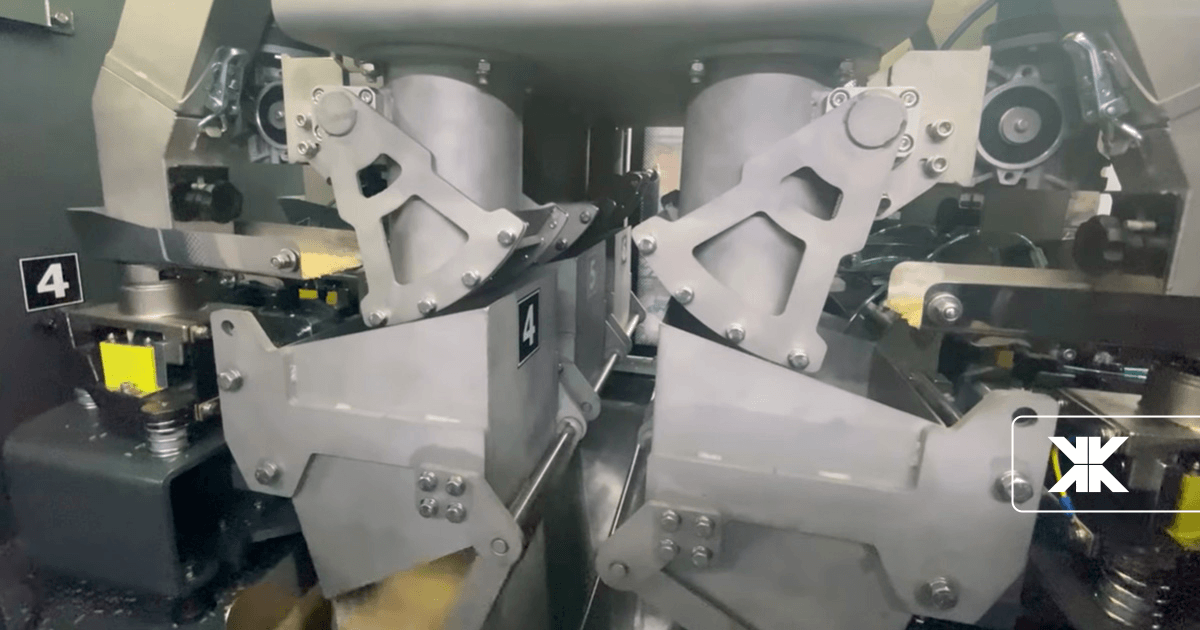
The success and profitability of a cereal packaging operation depend on selecting the right precision dosing system.
This technology is responsible for preventing product giveaway caused by overweight packages and ensuring the declared package weight is consistently accurate.
The choice of an industrial dosing system depends on the physical characteristics of your cereal:
Volumetric Dosing Systems
Highly recommended for uniform, free-flowing cereal grains with consistent size and shape (such as rice, beans, and lentils), where bulk density remains constant and the measuring cup volume ensures precise and repeatable weight accuracy.
Gravimetric Dosing Systems
Essential for irregular solids, blended products, extruded breakfast cereals, or products with constant density variations.
These systems weigh the product using high-precision load cells before it is discharged into the package, eliminating weight deviations.
7. Selecting the Ideal Cereal Packaging Machine
The choice of packaging technology depends directly on several factors, including:
- The target fill weight;
- The type of cereal;
- The characteristics of the packaging material (laminated films, monolayer films, etc.).
Indumak develops technically engineered packaging systems designed to meet the requirements of different package formats.
Commercial Packaging Lines for Retail
For cereal packages destined for supermarket shelves, ranging from 500 g retail packs to 5 kg packages, the key priorities are always:
- Grain integrity;
- Package appearance;
- Sealing speed.
Indumak packaging machines are specifically designed to meet these requirements.
MG Packaging Machines
The MG-250, MG-320, and MG-1000 models are ideal for the grain and cereal industry.
They provide excellent film tension control, reducing plastic film waste while producing perfectly aligned packages, whether in pillow bags or flat-bottom bag formats.
Their high cutting precision and fast changeover times enable your facility to switch from packaging one type of cereal to another in just a few minutes, keeping the production line running efficiently.
DG Packaging Machines
Designed for cereal processing facilities that require stable and highly accurate packaging operations.
Featuring a pneumatic horizontal sealing system and belt-driven film transport, DG packaging machines maximize package output per minute while ensuring gentle product handling.
They are ideal for packaging both heavy grains and irregular or extruded breakfast cereals with exceptional efficiency, delivering flawless sealing that helps extend the product’s shelf life.
High-Volume Packaging Lines (Agribusiness and Wholesale)
If your operation focuses on high-volume distribution, packaging cereals into larger bags (typically ranging from 10 kg to 50 kg), the K Line is the ideal solution:
KSP Bagging Machine: Pneumatic filling system specifically designed for valve bags;
KBA-E and KBA-F Bagging Machines: Automatic open-mouth bagging systems that ensure accurate bag positioning and efficient sealing;
KGA Bagging Machine: Designed for high-capacity filling of Big Bags.
8. End-of-Line Automation: Case Packing and Palletizing
To prevent shipping bottlenecks and ensure package integrity during transportation, automating the final product handling stages is essential.
Manual handling of grain bundles and cartons leads to operator fatigue and slows down production. In contrast, integrated systems eliminate manual effort and standardize end-of-line operations, protecting cereal products from impact damage and breakage.
T Line (Case Packing Machines)

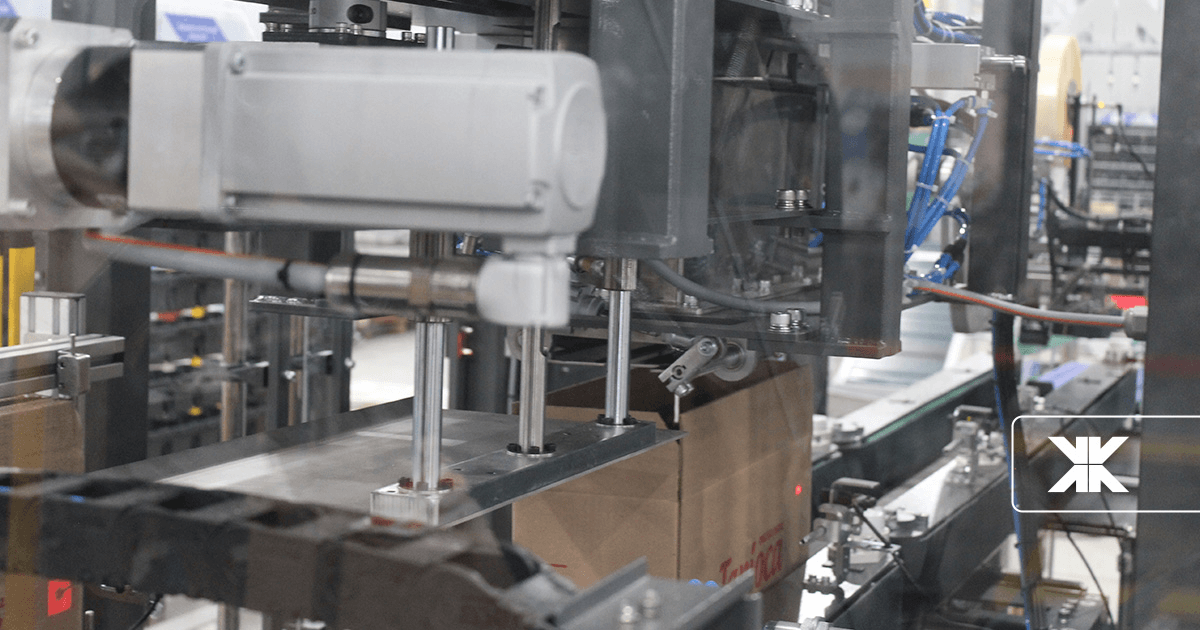
Automated systems that perform case erecting, product loading, and case sealing:
- TGV Case Packer (Gravity-Fed): Ideal for sturdier cereal packages that can be loaded by gravity;
- TCR Case Packer (Cartesian): Designed to accurately arrange grain packages side by side inside the case;
- TLN Case Packer (Linear): Provides high-speed operation for continuous packaging lines;
- TRB Robotic Case Packer: Offers maximum format flexibility, handling delicate breakfast cereal packages (such as extruded products) with exceptional care.
These models handle regular slotted cases (RSC), half-slotted cases, and display-ready cases (shelf-ready packaging) widely used to showcase premium cereal products directly on retail shelves and seal them using adhesive tape or hot-melt glue.
P Line (Palletizing Systems)

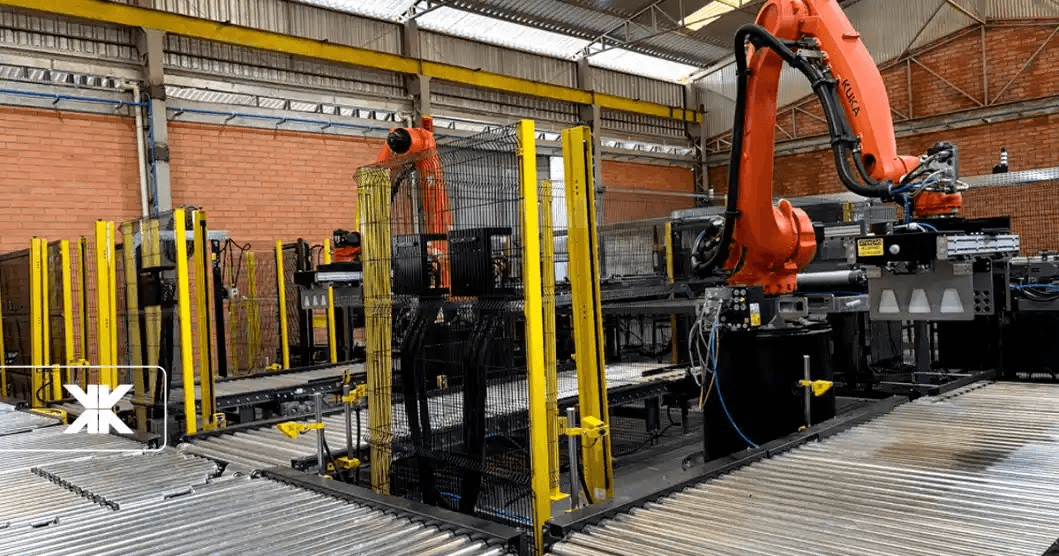
Robotic palletizing cells designed specifically for the grain and wholesale industries.
These systems quickly and safely stack and unitize heavy bundles or cereal cases.
This maximizes pallet space utilization, stabilizes pallet loads for transportation, and prevents lower packages from collapsing or bursting under the weight of stacked loads.
9. Distribution Channels and Supply Chain Integration
A stable cereal packaging operation depends on the continuous flow of finished products through the distribution chain.
Integration with major sales channels, including wholesalers, distribution centers, and supermarket chains requires every batch to meet strict standards for traceability, bundle consistency, and package integrity.
By investing in advanced packaging technology, you can ensure that your products reach consumers in the same condition they left the production line.
Engineering for High-Performance Manufacturing
Implementing an efficient cereal packaging facility requires expert engineering support and robust equipment.
As Brazil’s leading manufacturer of vertical packaging machines with an international presence in more than 50 countries, Indumak designs end-to-end integrated systems that deliver precision, reliability, and the industry’s most extensive service network.
Would you like to explore the technical specifications and available configurations of our cereal packaging machines?
Access the complete catalog of our packaging solutions and find the ideal specifications for your project.

You will also enjoy
- Conect




© 2026 - Indumak Indústria de Máquinas Kreis Ltda - Todos os direitos reservados.
