
Categoria: Packaging
Discover Packaging Solutions for Powdered Food Products
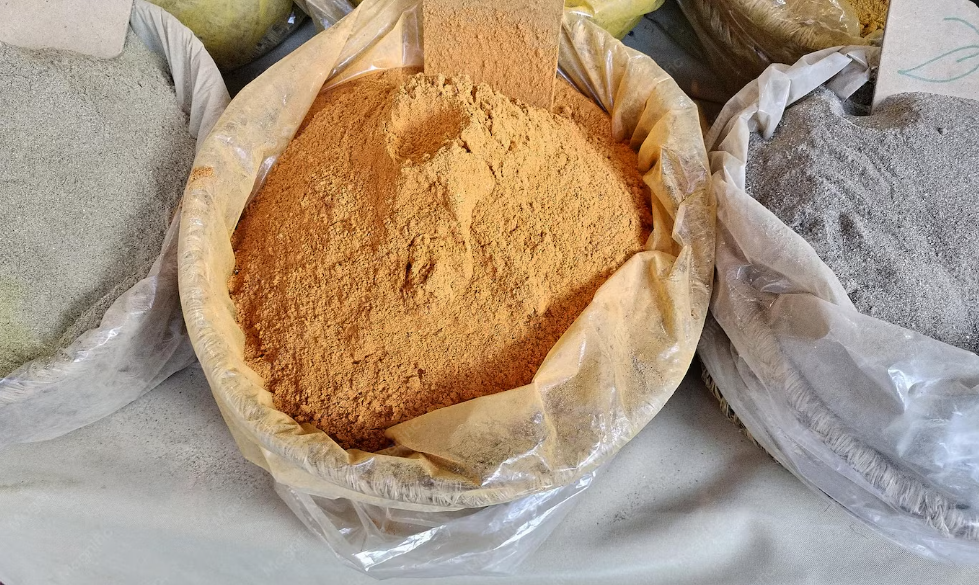
Wheat flour, powdered milk, chocolate drink powder, premixes, seasonings, and nutritional supplements all have one thing in common: fine particles. And it is precisely this characteristic that makes packaging these products more challenging than most manufacturers realize when designing their production line.
Anyone who has operated a powdered product packaging line knows that airborne dust is the biggest enemy of seal integrity.
Dust settles on the sealing area, compromises the package’s hermetic seal, and leads to costly rework. Without the right equipment, the outcome is predictable: product loss, unplanned downtime, and packages that fail to meet quality standards.
The good news is that packaging solutions for this segment have evolved significantly. Today, it is possible to build a fully automated production line that delivers precision, hygiene, and high-speed performance—provided that the right combination of equipment is selected.
Why Powdered Foods Require Specialized Packaging Solutions
Granular products, such as grains and cereals, behave predictably inside a packaging machine. The product flows, the dosing system measures the correct amount, and the package is sealed. Simple.
With powdered products, however, the process is entirely different. Fine particles become airborne during dosing, accumulating along the package edges, in the sealing area, and on the film transport belts. The direct result is poor seal quality, compromising both the package’s appearance and the product’s shelf life.
In addition, powdered products generate electrostatic charges. This causes fine particles to adhere to the plastic film, especially around the sealing jaws, where the package is sealed. Without equipment designed to neutralize this static charge, production interruptions quickly become routine.
Other factors that make powdered food packaging more challenging include:
- Density variation: Products such as wheat flour and chocolate drink powder have different bulk densities, affecting dosing volume and requiring equipment adjustments.
- Moisture sensitivity: Most powdered products readily absorb moisture. An incomplete seal compromises product preservation and shelf life.
- Sanitary requirements: In the food industry, frequent cleaning is mandatory. Packaging equipment must be designed for easy sanitation, with stainless steel construction at critical product-contact points.
Packaging Solutions: Recommended Dosing Systems for Powdered Products
The choice of dosing system plays a key role in determining the accuracy and stability of the packaging line. For powdered products, there are two primary solutions.
Auger Filler
The auger filler is a volumetric dosing system for powdered products that operates through a vertical auger screw driven by a directly coupled servo motor.
The product is conveyed through the auger directly into the package, ensuring accurate dosing while minimizing airborne dust during the filling process. It is the ideal configuration for flour, premixes, and other powdered products with fine, uniform particle size.
An integrated cover or protective screen is an important feature of the system, preventing product from reaching the sealing area and helping preserve seal integrity.
Gravimetric Filler
When weight variation must be kept to an absolute minimum, the gravimetric filler is the ideal solution. It portions products using weighing systems that continuously share weight data to ensure maximum accuracy.
Unlike volumetric systems, a gravimetric filler measures the product by weight rather than by volume, eliminating the effects of density variations on the amount filled into each package.
Indumak offers gravimetric fillers in a variety of configurations, including continuous weight-monitoring models (FG-4, DB-15, and DB-25) and multihead combination weighers (10 or 14 heads), delivering exceptional speed and accuracy even in high-volume production lines.
Vertical Packaging Machines: The Foundation of Packaging Solutions for Powdered Products
The vertical packaging machine is the core piece of equipment in most packaging solutions for powdered foods. It forms the package from a roll of plastic film, dispenses the product, seals the package, and cuts it. All in one continuous cycle.
Indumak offers a complete line of vertical packaging machines, with models designed for everything from medium-volume operations to high-speed production lines.
| Model | Key feature | Typical application |
| MG-250 | Servo-driven sealing system with high-performance sealing quality. | Ideal for products that require high performance, advanced technology, and ease of operation. |
| MG-320 | The most compact automatic packaging machine in its category. | Ideal for manufacturers with high production demands. |
| DG-4 | Belt-driven film transport system and one of the best cost-benefit ratios on the market. | A versatile solution that adapts to a wide range of products. |
| MD-250 | Twin (dual-lane) automatic packaging machine. | Maximizes the efficient use of production floor space. |
| MM-250 | Movable table design. | Ideal for environments with excessive dust or thin packaging films. |
The choice of packaging machine should be based on the production speed required and the type of package to be produced. For powdered products, the MG and MS series are the most recommended solutions
Optional Features That Make a Difference in Powdered Food Packaging
In addition to the dosing system and the packaging machine, there are optional features that can significantly improve line performance. While they are technically classified as optional accessories, for powdered products many of them are considered essential.
Static Eliminator
The static eliminator is an accessory designed to neutralize static electricity on the packaging film while the product is being filled, preventing powder residue from accumulating in the sealing area and causing seal failures. It is widely used for powdered products.
Powder Extraction System
The powder extraction system helps remove airborne dust during the filling process, preventing product particles from contaminating the sealing area and ensuring reliable seal integrity.
Micro-Perforation Device
The micro-perforation device allows air to escape from the package before sealing, reducing the risk of product contamination and improving packaging conditions.
Belt-Driven Cleaning Brush
The belt-driven cleaning brush efficiently removes powder residues that may adhere to the transport belts, reducing product buildup and helping keep the packaging process clean.
Hot-Stamp Date Coder
The hot-stamp date coder prints essential information such as the manufacturing date, expiration date, and batch number directly onto the package, delivering high-quality marking even in dusty environments without interrupting production.
You will also enjoy
- Conect




© 2026 - Indumak Indústria de Máquinas Kreis Ltda - Todos os direitos reservados.
