
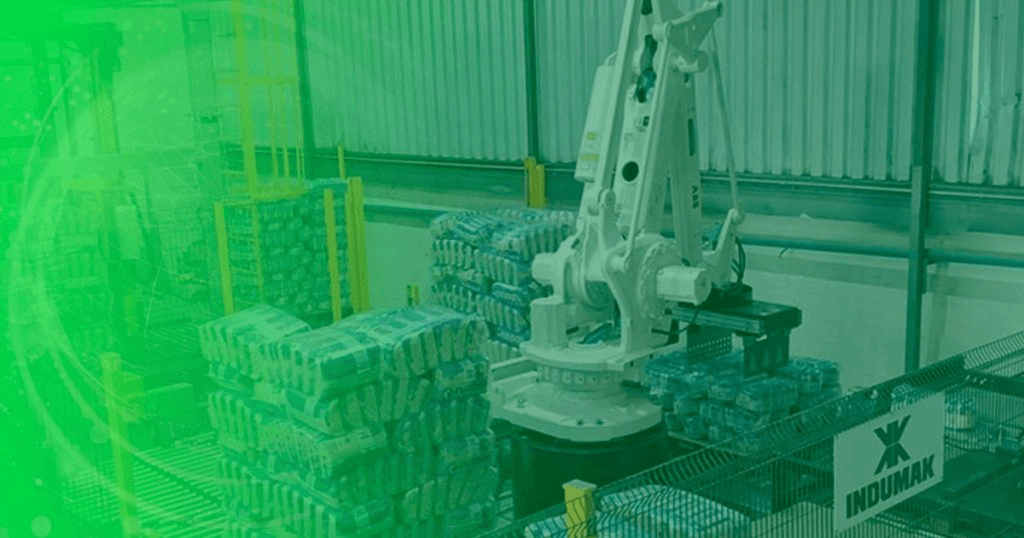
10 Benefits of Load Unitization with Packaging Systems for Your Business
Reducing costs is a continuous objective for industrial companies. In the packaging sector, one of the most effective ways to achieve this is by optimizing storage capacity through load unitization.
More than simply grouping products together, load unitization is a process that involves strategic decisions capable of improving the performance of the entire supply chain.
In this article, you will learn what load unitization is, the methods used to implement it, and the real advantages it offers. Read on to discover more.
What Is Load Unitization?
Load unitization is the process of grouping individual packages into a single handling unit, making material handling, storage, and transportation more efficient.
This handling unit can be formed on pallets, in master cartons, big bags, or through bundling and the application of stretch film.
10 Benefits of Load Unitization
Load unitization delivers clear and measurable operational benefits.
In practice, unitized loads reduce operational errors, minimize product damage, and establish the foundation for more predictable logistics processes.
These advantages are also highlighted by TOTVS, which notes that load unitization improves inventory management efficiency while optimizing the use of warehouse space.
Below are the main benefits observed in industrial operations.
1. Reduced Transportation Damage
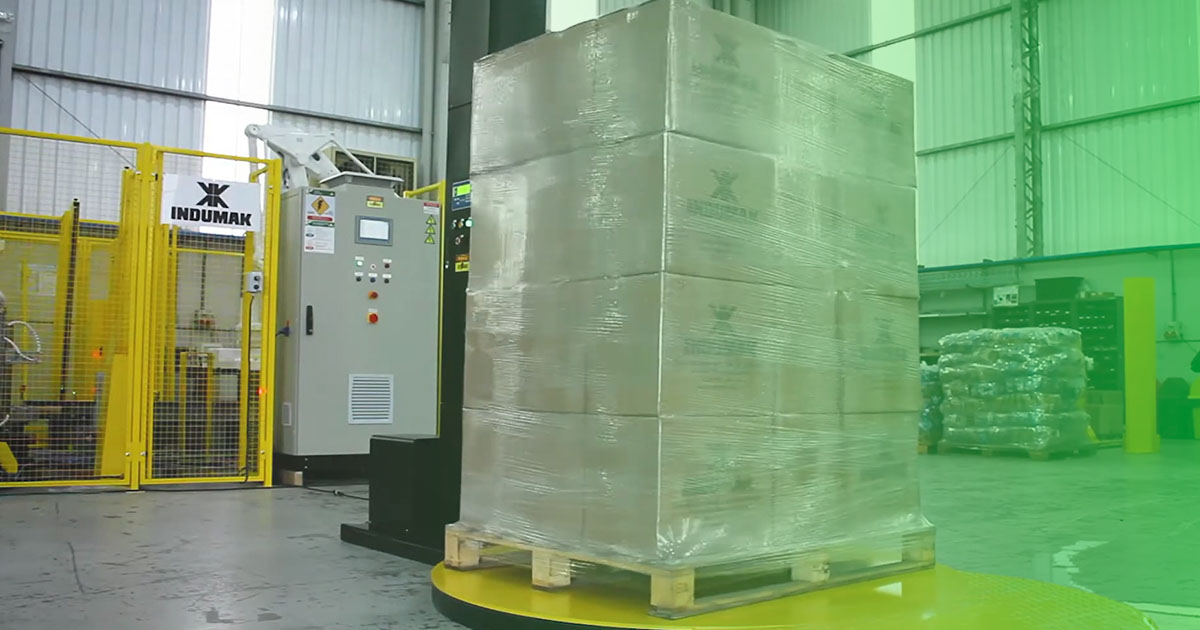
Loads that are unitized and stabilized with stretch film (using either stationary or tower stretch wrappers) experience less movement during transportation, reducing impacts and product damage.
Watch the video below to see the Indumak Stationary Stretch Wrapper in operation.
2. Protection Against Dust, Moisture, and Tampering
Proper packaging creates a protective barrier that preserves product integrity from warehouse storage through final delivery.
3. Greater Safety for Operators
Reducing manual handling lowers the risk of workplace accidents and improves ergonomics in industrial environments.
4. Increased Productivity
Handling unitized loads is faster and more efficient than moving individual packages. As a result, overall logistics productivity increases.
5. Better Space Utilization
Standardized loads make product stacking easier, optimizing warehouse layout and maximizing storage capacity.
6. Process Standardization
Unitized loads make workflows more predictable and simplify employee training.
7. Integration with Logistics Automation
Load unitization is a prerequisite for automated material handling and palletizing systems.
8. Reduced Operating Costs
Adopting this strategy reduces product losses and rework during loading and unloading while improving overall operational efficiency.
These factors have a direct impact on lowering overall operating costs.
9. Improved Traceability
Well-defined load units make product identification, inventory control, and batch management easier.
10. A More Professional Operation
An organized logistics operation with uniform loads conveys reliability and strengthens confidence in your business.
What Are the Load Unitization Methods?
There are several methods available for load unitization. The right choice depends on factors such as the type of product, the volume being handled, and the operational maturity of the facility.
Below are the main options:
Load Palletizing
In this method, products are arranged on pallets, creating a stable load unit for handling with forklifts and pallet jacks.
Load palletizing:
- Facilitates transportation;
- Standardizes load formation;
- Provides greater control over stacking, storage, and shipping, especially when integrated with automation systems.
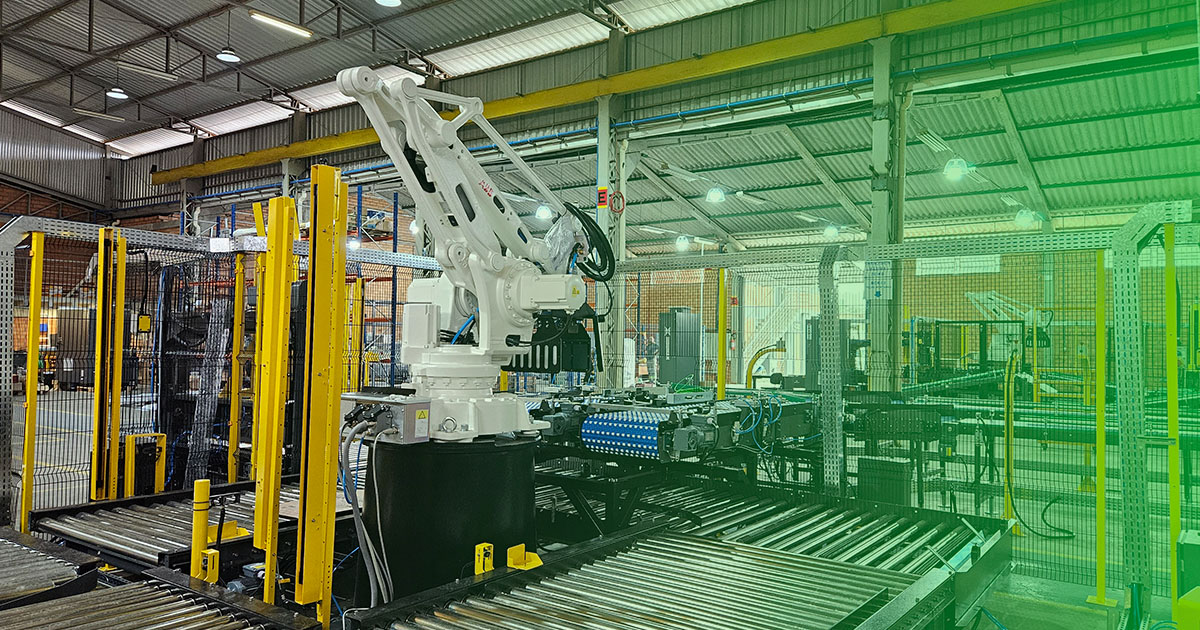
One example is Indumak’s PA-50 palletizing system. With its modular architecture, it is designed to meet a wide range of production requirements while delivering versatility and flexibility.
Load Unitization with Stretch Film
Stretch film is one of the key components of the load unitization process. It:
- Ensures load stability;
- Prevents movement during transportation;
- Protects products against dust, moisture, and tampering.
Palletized loads wrapped with stretch film experience lower damage rates and maintain greater product integrity. This is the case with the Indumak Stationary Stretch Wrapper, which can be installed at virtually any location within the manufacturing facility.
Big Bags
Big bags are recommended for bulk materials such as fertilizers, grains, and chemical raw materials.
They facilitate the handling of large volumes, but require special attention to load stability and stacking.
Master Cartons
The use of master cartons provides dimensional standardization, better warehouse organization, and easier traceability. This method is commonly used in production lines that handle products in batches.
Read also: Automatic Case Packing: Increase Efficiency and Competitiveness with the Right Solution.
Bundles
Bundling is most commonly used for flexible or recyclable products, such as paper, fabrics, and plastic packaging. When properly applied, it reduces volume and improves reverse logistics efficiency.
Watch the video below to see the Indumak MK-30 bundler packaging frozen bread packs.
When Should You Invest in Automated Load Unitization Systems?
Investing in automated systems makes sense when your operation:
- Can no longer achieve maximum efficiency through manual adjustments alone;
- Experiences recurring bottlenecks;
- Relies heavily on manual labor for repetitive tasks, negatively affecting productivity, safety, and process consistency;
- Needs to integrate different plant processes, such as production lines, conveyors, automated warehouses, and management software.
As a result, automation becomes not only an operational improvement but also an important scalability factor.
It prepares your logistics operation to handle higher production volumes without compromising efficiency, safety, or control, preventing business growth from exposing the limitations of manual processes.
Indumak and the Evolution of Load Unitization
Load unitization systems continue to evolve alongside industrial logistics, making operations more efficient, safer, and more predictable.
In this context, Indumak keeps pace with this evolution by developing solutions that meet the changing demands of modern industry.
We help companies build efficient and sustainable processes while respecting each operation’s unique requirements and level of operational maturity.
Explore Indumak’s complete palletizing systems catalog and discover the ideal solutions for your operation.
You will also enjoy
- Conect




© 2026 - Indumak Indústria de Máquinas Kreis Ltda - Todos os direitos reservados.
